Patchwork Letter M: A Thoughtful Embroidery Design for Meaningful Gifts
First Impressions: Sweet, Handmade, and Full of Quiet Charm
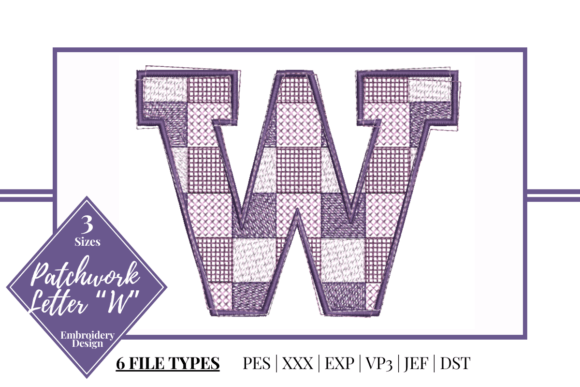
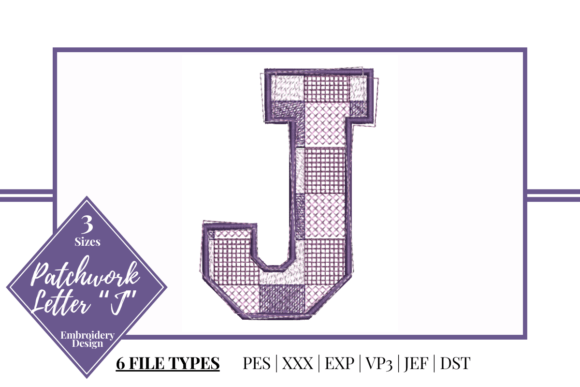
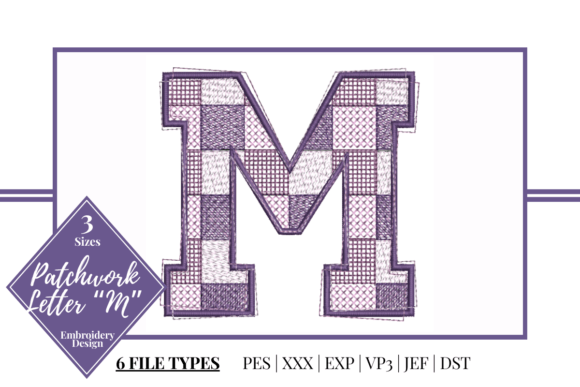
As an embroidery designer who’s tested hundreds of machine embroidery designs for personalized gift shops, I opened Patchwork Letter M expecting charm—and it delivered. It doesn’t shout; it invites. The design carries a gentle, handmade warmth—like a carefully stitched sampler passed down through generations. Its patchwork aesthetic blends soft geometric shapes with subtle texture, evoking nostalgia without leaning into kitsch. It feels simultaneously classic and modern: clean enough for a minimalist wedding keepsake, yet rich enough for a baby’s nursery quilt. There’s no overwhelming density or fussy detail—just balanced rhythm, intentional spacing, and a quiet elegance that reads as *thoughtful*, not trendy. For customers seeking emotional resonance over flash, Patchwork Letter M lands perfectly.
Where This Design Truly Shines
Patchwork Letter M is exceptionally versatile across personalized gift categories—especially in the School and early-life gifting space. Imagine it stitched on a cozy cotton blanket for a newborn: the soft contrast between fabric and thread creates instant heirloom appeal. On a linen kitchen towel? It transforms everyday utility into a curated moment—ideal for housewarming or teacher appreciation gifts. As a wedding gift, paired with monogrammed napkins or a pillow cover for the couple’s first home, it whispers tradition without formality. Etsy sellers will love how effortlessly it elevates simple items: a canvas tote becomes a boutique-ready accessory; an organic-cotton apron gains artisanal credibility; a muslin pillow cover becomes a nursery centerpiece.
For baby embroidery, its scale and structure hold up beautifully—even at 3–4 inches tall. Unlike overly delicate script fonts, Patchwork Letter M avoids fragile stems or thin connectors that fray under washing. Its blocky-yet-soft silhouette ensures legibility on stretchy knit onesies (with proper stabilizer) and maintains integrity on textured fabrics like terry cloth or woven cotton. Small shop owners crafting custom orders can confidently use it as a preview element in digital mockups—it photographs well on light and dark backgrounds, making product listings more engaging and trustworthy.
Use With Intention: Where to Pause and Plan
While Patchwork Letter M is forgiving, thoughtful placement matters. Avoid scaling it below 2.5 inches—its patchwork segments lose definition, and stitch density may appear uneven on small lettering. On thick, plush towels or dense fleece blankets, test stitch density first: too many overlapping fills can cause puckering or stiffness. For curved surfaces—like mugs with fabric sleeves or rounded tote handles—consider slight digitizing tweaks or opt for flatter application zones (e.g., center front instead of side seam).
Dark fabric demands attention: confirm your chosen thread colors offer enough contrast—not just visually, but in stitch coverage. A light ecru thread on navy may look elegant in a digital preview but vanish after stitching if the fill isn’t dense enough. Likewise, on highly textured fabric (burlap, heavy linen), use a medium-weight cutaway stabilizer to prevent skipped stitches in tight corners. And while Patchwork Letter M holds up well to laundering, always recommend cold wash and low tumble for finished products—especially baby embroidery or wedding keepsakes meant to last.
Why It Builds Trust—and Sales
Customers don’t just buy letters—they buy meaning. Patchwork Letter M signals care. Its handmade aesthetic reassures buyers they’re getting a handmade product, not mass-produced clip art. That perception lifts perceived value instantly: a $28 embroidered towel feels like a $45 artisan piece. For Etsy sellers and small shop owners, it strengthens buyer engagement—shoppers linger longer on listings featuring this design because it sparks imagination (“I could put this on my daughter’s backpack…” “This would match our farmhouse kitchen…”). It also simplifies custom order conversations: “Would you like Patchwork Letter M in sage and cream?” feels personal, not transactional.
Practical Notes Every Embroiderer Should Run Through
Before stitching your first customer order, treat Patchwork Letter M like any new digital embroidery file:
- Always run a test stitch on scrap fabric matching your final product’s weight and weave.
- Check thread color contrast on both light and dark swatches—don’t rely solely on screen previews.
- Confirm your machine’s hoop size accommodates the design at your intended scale—no last-minute resizing mid-run.
- Review stitch density: if fills feel sparse on thick fabric, adjust underlay or add a second pass (if your software allows).
- Choose stabilizer intentionally—cutaway for knits and towels, tear-away for stable wovens like quilting cotton.
- Compare digital mockups to actual stitched samples—lighting, camera angle, and fabric drape dramatically affect how finished product photos perform online.
- Finally, verify commercial licensing before selling any custom embroidery or commercial embroidery item. If unclear, contact the designer or platform directly—never assume.
As a designer who’s helped dozens of small businesses scale their personalized gift offerings, I’ve seen how one well-chosen machine embroidery design can become a signature element—repeated across blankets, totes, and pillow covers, building brand recognition and customer loyalty. Patchwork Letter M has that potential. It’s not flashy—but it’s memorable. Not loud—but deeply felt. And in the world of handmade gifting, that quiet strength is exactly what sells.