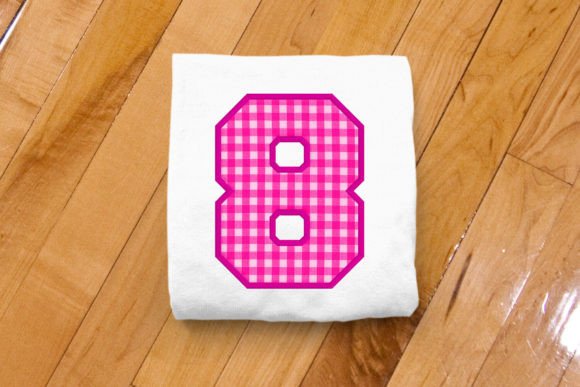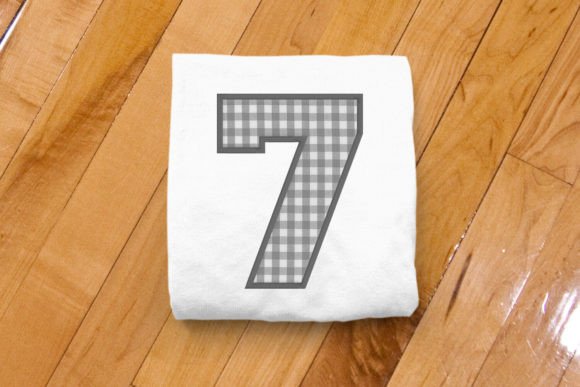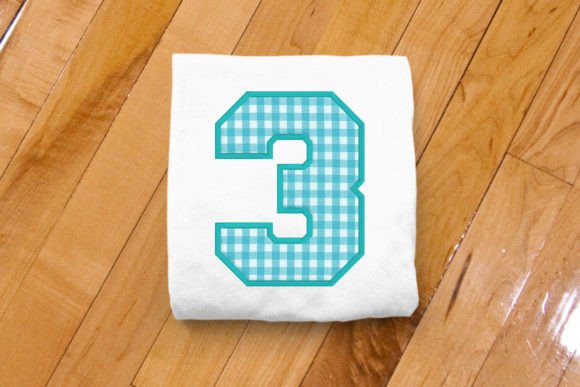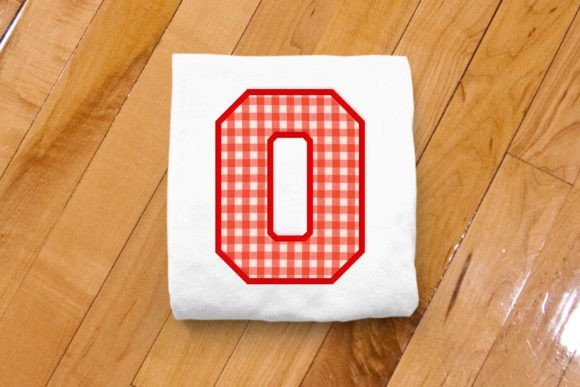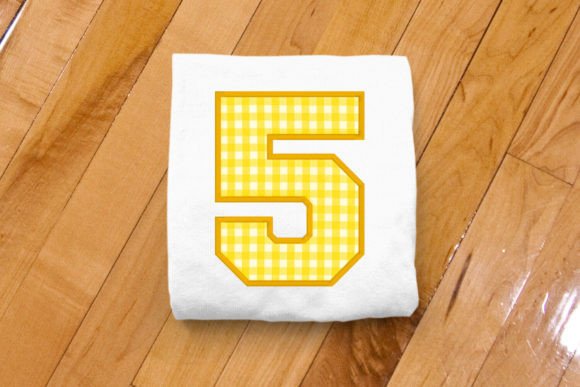
Varsity Number 5 Applique Embroidery
First Impression: Bold, Nostalgic, and Instantly Recognizable
As an embroidery designer who’s prepped over 200 craft fair booths—and shipped thousands of embroidered school-themed products—my gut reaction to Varsity Number 5 Applique Embroidery is immediate: this is a crowd-pleaser. It reads bold without shouting, collegiate without cliché, and personal without being obscure. That “5” isn’t just a digit—it’s a badge. A jersey number. A graduation year. A team spirit shorthand. It lands somewhere between spirited and sincere—perfect for the School category, yet flexible enough to resonate with athletes, alumni, and even fans of retro design. No frills, no flourishes—just clean, confident lettering built for visibility.
Where It Shines: Craft Fair Product Placement That Converts
In my booth setup—think embroidered tote bags stacked beside aprons, tea towels draped over wooden crates, and patches pinned to a denim backdrop—Varsity Number 5 Applique Embroidery performs strongest when treated as both accent and anchor.
- Tote bag design: Centered on the front panel (10–12" wide), it reads clearly from 6 feet away—ideal for shoppers scanning quickly. Works especially well on natural canvas or heather grey.
- Apron embroidery: Placed just above the pocket, it adds personality without competing with functional details. Great for teachers, baristas, or grad students running campus cafes.
- Tea towel embroidery: On a folded corner or lower third, it balances utility and charm—no risk of thread snagging during drying, thanks to its applique construction.
- Embroidered patch: This is where Varsity Number 5 Applique Embroidery becomes a repeat-buy item. Iron-on or sew-on versions fly off the table at craft fairs—especially when bundled as “Class of ’25” or “Team Five” sets.
- Caps and fabric pouches: Smaller placements (3–4" wide) hold up beautifully—if your machine embroidery design includes clean edges and minimal underlay in curved zones. I’d avoid full-front cap placement unless you’ve tested hoop clearance and fabric stretch.
What Makes It Sell Online—and In-Person
This digital embroidery file has strong visual storytelling power. On Etsy, it photographs crisply against neutral backdrops—no need for heavy editing. The athletic lettering translates well into printable mockups, helping Etsy sellers showcase variations (navy + gold, black + white, burgundy + cream) without stitching every version.
For batch production? Yes—it’s highly repeatable. The design’s symmetry and limited curve complexity mean fewer thread breaks, consistent tension across machines, and faster hooping. That’s critical when you’re turning out 30+ embroidered tote bags before Saturday morning.
But here’s the real craft fair truth: customers don’t stop for “nice.” They stop for meaning. That “5” sparks conversation—“Is that for my daughter’s soccer number?” “My grad year was 2025!” “My nephew wears #5 on his lacrosse jersey.” That emotional hook makes Varsity Number 5 Applique Embroidery more than decoration—it becomes a memory trigger, a shared language. And that’s what turns a $12 tea towel into a $22 gift-wrapped keepsake.
Careful-Use Notes: Protect Your Stitch Quality & Customer Trust
Even strong designs demand smart execution. Here’s what I check before cutting fabric for Varsity Number 5 Applique Embroidery:
- Dense stitch areas: Applique borders often pack tight satin stitches. Test on your target fabric—especially thick twill or textured terry—to avoid puckering or stiffness.
- Small lettering & sharp corners: While “5” is inherently legible, tiny serifs or tight inner curves may blur on dark fabrics or low-thread-count cottons. Always verify clarity at 3" width.
- Curved surfaces: Caps and pouches require careful hooping and possibly reduced density. If your embroidery file doesn’t include a low-density cap version, adjust manually—or skip caps entirely until you’ve tested.
- Fabric texture: Avoid placing this on heavily napped fleece or looped terry—applique edges can lift or snag. Stick to smooth weaves for maximum crispness.
Design Integrity = Booth Integrity
Your craft fair table isn’t just selling products—it’s selling confidence in handmade quality. When Varsity Number 5 Applique Embroidery appears consistently across your tote bags, patches, and pillow covers, it builds subtle brand consistency. Customers begin to recognize your aesthetic: clean, spirited, school-rooted but never juvenile.
That cohesion strengthens booth display strength. A row of navy aprons with matching gold “5” appliques reads intentional—not random. Same goes for a wall of framed tea towel samples: uniform sizing, balanced spacing, and thoughtful thread color pairing (e.g., charcoal grey thread on oatmeal linen) elevate perceived value instantly.
Pro Designer Checklist Before You Stitch
Before committing fabric or listing on Etsy, run through these non-negotiables:
- Test the machine embroidery design on scrap fabric *identical* to your production material.
- Verify thread contrast—especially on dark or patterned backgrounds. What looks sharp on screen may disappear in person.
- Review spacing between applique edge and digitized satin border. Tight gaps cause skipped stitches; wide gaps look unfinished.
- Confirm hoop size compatibility. If your machine requires a 5x7 hoop minimum, ensure the design fits comfortably—with room for stabilization.
- Inspect stitch density. Overly dense fills won’t lay flat on soft fabrics; too-light fills lack dimension.
- Match stabilizer to end use: tear-away for stable wovens, cut-away for knits or stretchy caps.
- Create at least one real mockup—not just digital. Drape it, fold it, hold it in natural light.
- Compare thread colors across multiple fabric swatches. Gold thread behaves differently on black duck vs. natural linen.
- Confirm commercial licensing status. Since this is intended for finished product resale, ensure your license permits small shop product and commercial embroidery use.
Bottom line: Varsity Number 5 Applique Embroidery is more than a school motif—it’s a versatile, emotionally resonant embroidery asset. When executed with attention to fabric, thread, and context, it transforms everyday items into meaningful handmade products. And in a crowded craft fair aisle—or a scrolling Etsy feed—that’s not just design. It’s connection.