Love Teacher: A Charming Embroidery Design for Meaningful Gifts
As an embroidery designer who’s developed hundreds of machine embroidery designs for small shops, Etsy sellers, and custom gift studios, I approach every new file with equal parts curiosity and caution—especially when it’s destined for heartfelt moments like baby announcements, wedding keepsakes, or teacher appreciation. That’s why I took Love Teacher straight to my hoop, my scrap bin, and my most-used fabric swatches before recommending it to clients or adding it to my own shop inventory.
First Impressions: Whimsy With Warmth
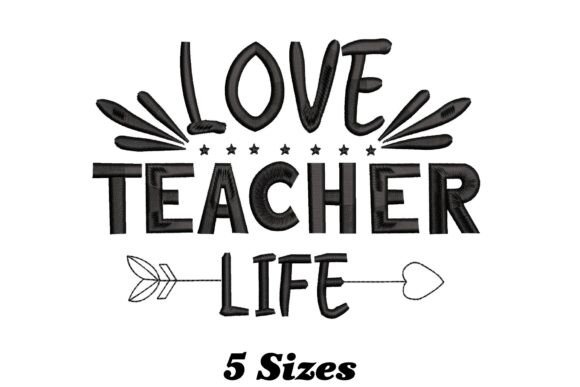
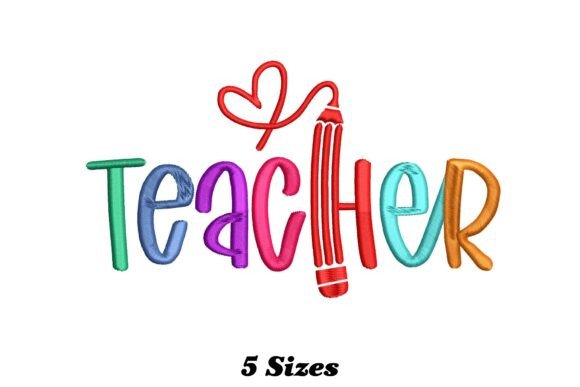
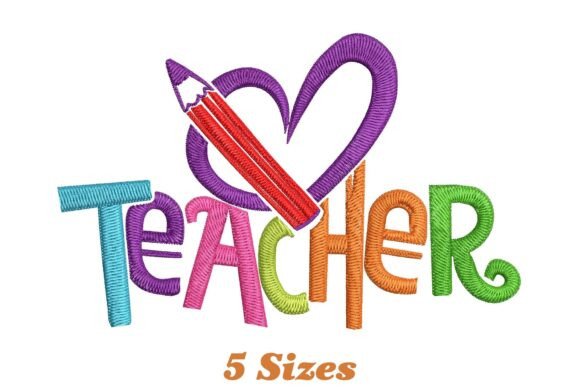
The moment I opened the Love Teacher embroidery file, its mood was unmistakable: playful, tender, and quietly confident—not cutesy, not overly formal, but genuinely sweet. It lands perfectly in that rare middle ground where handmade charm meets modern clarity. The lettering has gentle curves and soft edges; the heart motif is integrated thoughtfully—not tacked on, but part of the rhythm. There’s just enough detail to feel intentional (a subtle stitch outline around the heart, balanced spacing between letters), but not so much that it risks bleeding or distortion on delicate fabrics. For a School-category design, it avoids chalkboard clichés entirely. Instead, it feels timeless—equally at home on a baby blanket as it does on a linen pillow cover for a retiring educator.
Versatility That Sells—Across Life’s Milestones
What makes Love Teacher shine isn’t just how it looks—but how naturally it adapts to real-world personalized gift needs:
- Baby embroidery: Stitched onto organic cotton receiving blankets or muslin swaddles, it reads as loving and gender-neutral—ideal for “future teacher” onesies or nursery wall hangings.
- Wedding gift: Embroidered on ivory linen napkins or a monogrammed apron set, it adds quiet sentiment without competing with tradition—think “the love you teach each other” rather than literal classroom references.
- Personalized towel & kitchen decor: On flour-sack towels or tea towels, the design holds up beautifully at medium scale (4–5 inches wide), especially with high-contrast thread colors. It invites smiles—not just utility.
- Pillow covers & tote bags: Its balanced proportions make it ideal for center-front placement. No awkward stretching or cropping needed—even on curved tote handles or tapered pillow seams.
- Nursery & family keepsakes: Paired with a child’s name or birth date in a complementary script, Love Teacher becomes a story starter—perfect for Etsy listings targeting sentimental buyers.
- Craft fair & small shop product: Because it’s instantly legible and emotionally resonant, it draws attention without shouting. Customers pause, smile, and ask, “Is that customizable?”—which means higher conversion.
Where to Use Love Teacher Thoughtfully
Even the most charming design needs context—and Love Teacher is no exception. Here’s where I recommend extra care:
- Small lettering on stretchy baby clothes: Avoid scaling below 3 inches. Knits and ribbed fabrics can distort fine curves—always test on scrap first.
- Thick or textured fabric: Heavy terrycloth towels or bouclé throws may swallow delicate interior details. Increase stabilizer layers and consider slightly larger stitch density if your machine allows.
- Dark fabric: The design’s warmth relies on contrast. On charcoal or navy, use bright ecru, blush, or gold thread—not white—to preserve readability and emotional tone.
- Frequent-wash items: For embroidered towels or baby blankets meant for daily use, confirm the file uses satin-stitch borders and secure jump stitches—not just fill. Recheck after washing a test piece.
- Curved surfaces (mugs, curved tote fronts): While Love Teacher works well on flat-to-gently-curved items, avoid tight curves—like the base of a ceramic mug—where distortion is inevitable.
Why Love Teacher Builds Trust—and Sales
In handmade gifting, perception is everything. When customers see Love Teacher stitched cleanly on a linen pillow cover or baby blanket, they don’t just see embroidery—they see care, intention, and emotional intelligence. That translates directly to perceived value: buyers are willing to pay more for a personalized gift that feels both unique and meaningful. For Etsy sellers and small shop owners, this design also performs well in product photography—its clean lines and warm shape create natural focal points against neutral backdrops. And because it avoids trend-driven motifs (no clipart hearts, no dated fonts), it stays fresh across seasons—reducing the need for constant redesign.
Practical Embroidery Notes Before You Stitch
Before launching Love Teacher into production—or listing it as a digital embroidery file—here’s what I always do:
- Test on scrap fabric that matches your final product’s weight, weave, and stretch.
- Check thread color contrast under both natural and artificial light—some pastels disappear on cream linen.
- Confirm hoop size compatibility with your machine and intended item (e.g., a 5×7 hoop fits most pillow covers; a 4×4 may be safer for baby onesies).
- Review stitch density—if the file feels overly dense for lightweight fabric, adjust underlay or reduce fill percentage slightly.
- Use appropriate stabilizer: Tear-away for stable wovens, cut-away for knits, and heavy cut-away + topping for terrycloth.
- Compare light and dark fabric mockups using printable mockup templates—this reveals hidden contrast issues fast.
- Inspect small details post-stitch: Zoom in on the heart’s curve and letter terminals—do they hold shape? Are there loose threads?
- Verify commercial licensing before selling finished products. As a digital embroidery file, ensure your source permits resale of physical embroidered goods.
Love Teacher doesn’t shout—it invites. It’s the kind of machine embroidery design that turns a simple towel into a cherished memory, a blank tote into a conversation starter, or a baby blanket into a family heirloom in the making. Whether you’re an Etsy seller building a niche in teacher-themed keepsakes, a small shop product curator sourcing heartfelt additions, or a custom embroidery studio refining your signature style—this file earns its place in your collection. Just remember: let charm lead, but always let testing follow.