Learning is Fun: A Craft Fair Designer’s Real-World Review
First Impression: Whimsical, Warm, and Instantly Approachable
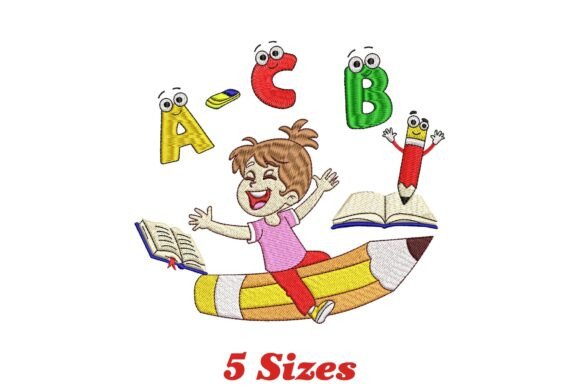
“Learning is Fun” lands exactly where it should — playful, optimistic, and unpretentious. It’s not minimalist or sleek; it’s whimsical with a soft, hand-drawn charm that reads as handmade before the needle even touches fabric. As an embroidery designer who’s curated dozens of craft fair booths, I can tell you this title alone invites smiles — especially from parents, teachers, librarians, and lifelong learners browsing handmade markets. It feels warm, inclusive, and school-adjacent without leaning into clichés like apples or chalkboards. That’s rare — and valuable.
Where “Learning is Fun” Shines on Craft Fair Products
This machine embroidery design thrives where personality meets practicality. On a natural linen tea towel? Absolutely — the whimsy softens the utilitarian vibe and makes it giftable. On a cotton tote bag? Yes — centered above the pocket or scaled slightly larger on the front panel, it becomes a quiet conversation starter (“Oh, I *love* that!”). As apron embroidery for a local bakery or classroom supply shop? Perfect — friendly but professional, reinforcing brand warmth without shouting.
It also works beautifully as an embroidered patch — stitched onto denim jackets, backpacks, or student planners — giving buyers a low-commitment way to try the design. On small fabric pouches or pillow covers? Ideal at 3–4 inches wide: legible, balanced, and full of character. And for booth samples? Display it across three textures — a waffle-weave towel, a medium-weight canvas tote, and a twill cap — and watch how quickly customers point and ask, “Do you have that on anything else?”
What Makes It Sell — and What Requires Care
“Learning is Fun” earns its place in your craft fair lineup because it’s instantly understandable. No decoding needed. No cultural or age-specific barriers. Just clear, joyful energy — which translates directly to faster decisions at busy markets. It photographs well for Etsy listings too: clean lines, open spacing, and moderate detail mean it renders crisply even in natural light photos against neutral backdrops.
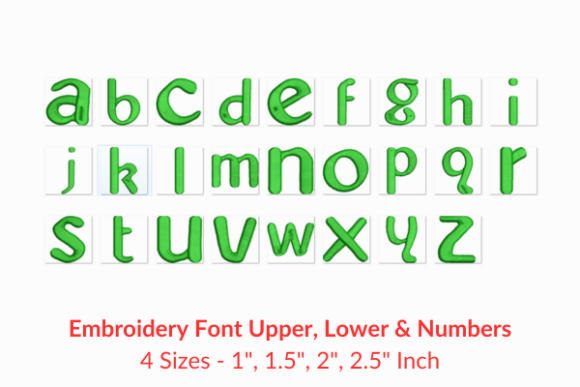
But here’s where experience matters: this isn’t a “set and forget” embroidery file. Tiny lettering in “Fun” could blur on textured towels or thick terry cloth unless stitch density is dialed back. Curved cap surfaces demand careful hooping and possibly reduced size — test it first. Dark fabrics need high-contrast thread colors (think buttery yellow or sky blue on navy) to preserve readability. And if your version includes fine decorative flourishes — dots, tiny stars, or delicate stems — those details may vanish below 2.5 inches. Always check clarity at your smallest intended size.
Production Practicality: Batch-Friendly, But Not Blindly So
As a commercial embroidery designer, I appreciate when a design supports smart production flow — and “Learning is Fun” does. Its layout is balanced, symmetrical, and rarely pushes hoop limits. It scales cleanly both up and down, making it adaptable for everything from 2-inch patches to 6-inch tote bag statements. That flexibility means fewer file versions to manage and smoother transitions between product types.
That said, don’t assume uniform stitch density. Review the embroidery file carefully: dense fill areas behind letters or under decorative elements can cause puckering on lightweight knits or stretchy tees. Use cutaway stabilizer for structured items like caps and tote bags; tear-away works well for tea towels and pillow covers — but always match stabilizer weight to fabric texture. And never skip the scrap test: run it on the exact fabric + thread combo you’ll use in production. What looks perfect on screen often shifts subtly in thread sheen, tension, and drape.
Booth Impact & Buyer Engagement
In a crowded handmade market, visual cohesion wins. “Learning is Fun” strengthens your booth story when paired consistently across categories — say, matching tea towel + pouch + patch sets — without feeling repetitive. It adds handmade quality through intentional imperfection: slightly uneven letter spacing, organic line weight, or subtle shadow stitching (if included) all signal care and craftsmanship.
It also boosts perceived value. Buyers don’t just see a phrase — they see a mood, a memory, a mindset. That emotional resonance helps justify premium pricing for small shop products. Plus, it’s endlessly brandable: pair it with your shop name on a tag or hang tag, and you’ve got a cohesive, ownable look — no licensing conflicts, assuming your digital embroidery file includes commercial rights.
Designer Notes You Can’t Skip
- Test before you commit: Run “Learning is Fun” on scrap fabric matching your final product’s weight, weave, and stretch.
- Check thread contrast: Especially on dark or heathered fabrics — what reads clearly on white may disappear on charcoal.
- Review spacing and kerning: Tight lettering risks merging in dense satin stitches — adjust if needed.
- Confirm hoop size compatibility: Some versions may require a 5x7 or larger hoop — verify before cutting production runs.
- Inspect stitch density: High-density fills on textured surfaces = risk of stiffness or distortion.
- Match stabilizer to fabric: Lightweight tear-away for linens; cutaway for knits and caps.
- Create one real mockup: Not a printable mockup — a physical, stitched sample, photographed in natural light.
- Compare fabric colors: Dye lots vary — test thread on your actual fabric batch, not a swatch.
- Verify commercial licensing: If selling finished products, confirm your digital embroidery file permits commercial embroidery use.
Final Thought: Charm With Purpose
“Learning is Fun” isn’t just another School-themed embroidery file — it’s a versatile, emotionally intelligent design asset. It balances playfulness with polish, simplicity with personality, and broad appeal with handmade authenticity. For Etsy sellers, boutique makers, and craft fair entrepreneurs, it’s the kind of small shop product that builds connection, encourages repeat visits, and turns casual browsers into loyal customers. Just remember: its magic lives not just in the design — but in how thoughtfully you bring it to life.