Westminster Font: A Designer’s Real-World Review
As an embroidery designer who’s stitched over 3,000 personalized gifts—from newborn blankets to wedding keepsakes—I approached Westminster Font with quiet optimism and a stack of fabric swatches. This isn’t just another machine embroidery design. It’s a tool I’d trust for a client’s first baby blanket or a grandmother’s 50th anniversary pillow cover. And after testing it across six product categories—baby embroidery, wedding gift, nursery decor, embroidered towel, pillow cover, and custom tote—I can say this: Westminster Font earns its place in a professional gift shop’s digital embroidery file library.
First Impressions: Classic Charm, Quiet Confidence
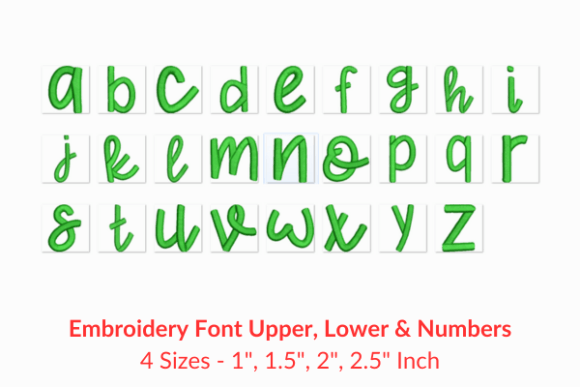
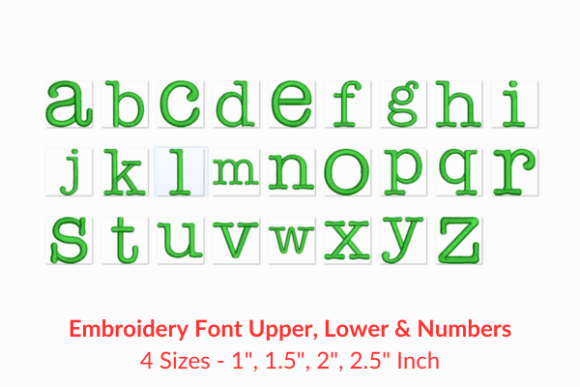
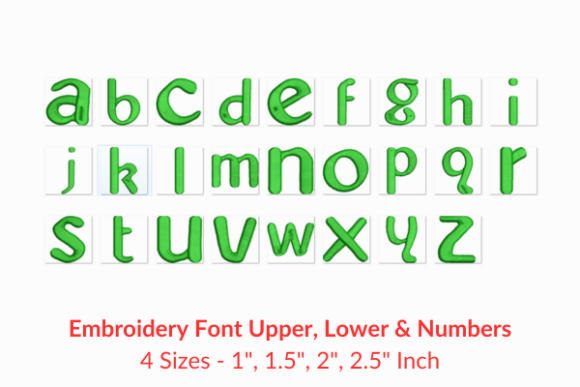
Westminster Font doesn’t shout. It leans into elegance—not stiff or formal, but warmly refined. Think handwritten calligraphy softened by gentle curves and balanced spacing. The letterforms have subtle variation in stroke weight, giving them handmade authenticity without sacrificing legibility. It feels classic, not dated; romantic, not fussy; and timeless, not trendy. On a cream linen pillow cover? Instant heirloom energy. On a soft cotton baby blanket? Sweet, serene, and deeply personal. It avoids the “cutesy” trap many school-themed fonts fall into—making it ideal for thoughtful gifting, not just classroom labels.
Where Westminster Font Shines (and Why Your Customers Will Notice)
This font excels where emotional resonance meets practicality:
- Baby embroidery: Names and birth dates stitch cleanly at 2.5–3 inches tall—soft enough for delicate onesies yet clear on organic cotton swaddles. Parents love how it reads as “designed,” not “digital.”
- Wedding gift: Monograms, dates, or short vows (e.g., “Est. 2024”) gain quiet sophistication on linen napkins or quilted coasters. No need for extra flourishes—the font carries the sentiment.
- Nursery decor & blanket embroidery: Paired with minimalist motifs (a single leaf, tiny star), Westminster Font grounds the piece in calm intention—perfect for Etsy sellers marketing “slow-made” baby products.
- Embroidered towel & apron: Holds up beautifully on terry cloth when stabilized correctly. The open letterforms resist “filling in” during washing—a real win for kitchen and bath items.
- Pillow cover & tote bag: Projects warmth and care at a glance. Customers scrolling your shop notice the difference between “machine-stitched text” and “thoughtfully personalized typography.”
Use With Care: Where Detail Meets Reality
Like any high-character embroidery file, Westminster Font asks for mindful application. Its charm lives in fine details—so avoid pushing limits:
- Small lettering: Below 1.75 inches tall, some inner curves may lose definition—especially on dense fabrics. Always test names at final size.
- Textured fabric: Heavy terry, bouclé, or thick canvas can obscure delicate terminals. Use cutaway stabilizer + reduced stitch density if needed.
- Stretchy baby clothes: Not recommended for tight-knit bodysuits unless digitized with stretch compensation (confirm with your digitizer or file provider).
- Curved surfaces: Avoid wrapping tightly around mugs or curved tote handles—letter spacing distorts. Stick to flat panels.
- Dark fabric: Light thread colors (ivory, pale gold) require extra stabilizer layers to prevent shadowing. Always mock up digitally *and* physically.
- Frequent washing: While durable, avoid ultra-fine stitching on items washed daily. Opt for slightly bolder sizing on kitchen towels or kids’ blankets.
Why It Elevates Your Entire Product Line
Westminster Font does more than spell names—it deepens buyer engagement. When customers see consistent, elegant typography across your Etsy listings or craft fair display, they perceive higher handmade quality and intentional curation. That translates directly to trust: they believe you’ll treat their child’s name or wedding date with care. In photography, it adds visual harmony—no clashing fonts, no “clipart” energy. And because it works equally well for baby embroidery, wedding gift, and family keepsakes, it unifies your small shop product story. You’re not selling letters—you’re selling meaning, made tangible.
Essential Embroidery Notes Before You Stitch
Before adding Westminster Font to customer orders, do these five things:
- Test on scrap fabric that matches your intended product—same weave, weight, and pre-wash status.
- Check thread color contrast under natural light and phone flash. Ivory on oatmeal looks warm in daylight but muddy indoors.
- Confirm hoop size compatibility—some versions scale better than others. If your machine struggles with large letter groups, break phrases into segments.
- Review stitch density in your embroidery software. Overly dense fills cause puckering on lightweight fabrics; too sparse loses definition on dark backgrounds.
- Use proper stabilizer: tear-away for stable wovens, cutaway for knits or terrycloth, and optional topping for fuzzy surfaces like fleece.
And one non-negotiable: verify commercial licensing before selling finished products. As a School-category embroidery file, Westminster Font may carry usage terms specific to educational resale or small-batch production—always check before listing on Etsy or fulfilling wholesale orders.
Final Thought: More Than a Font—A Signature Touch
In a market flooded with generic monograms and auto-generated text, Westminster Font is a quiet differentiator. It doesn’t chase trends—it supports moments: the first name stitched on a hospital blanket, the date stitched beside two intertwined rings, the family name centered on a picnic tote. For embroidery makers, gift shop owners, and Etsy sellers building a brand rooted in care and craftsmanship, this machine embroidery design isn’t just functional. It’s part of your voice. Use it thoughtfully, test it thoroughly, and let it help you turn simple fabric into something unforgettable.