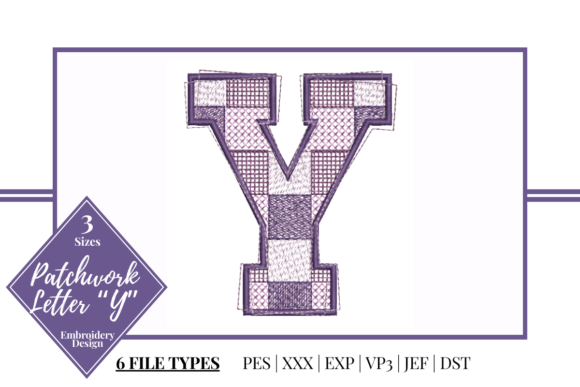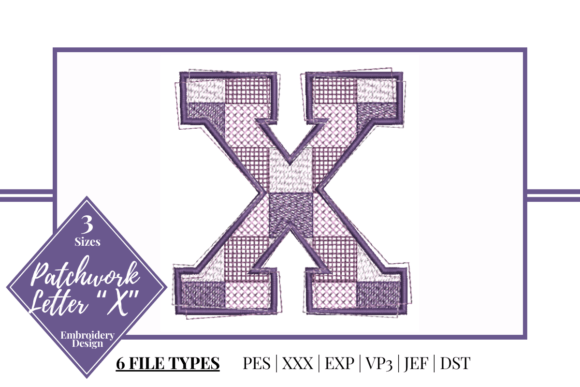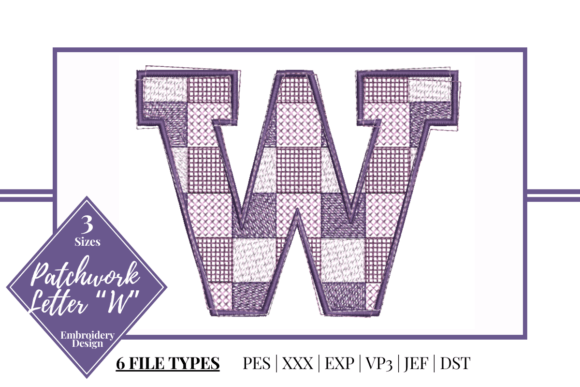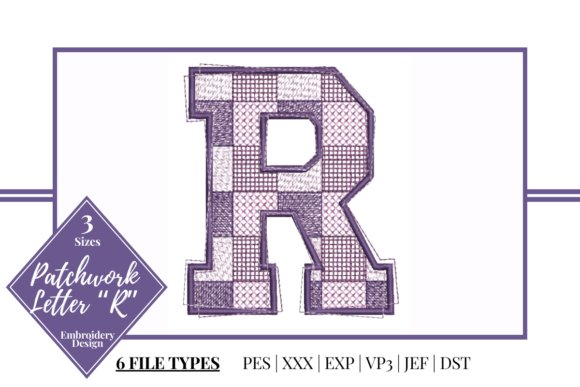
Patchwork Letter G
A Seasonal Stitch That Feels Like Home
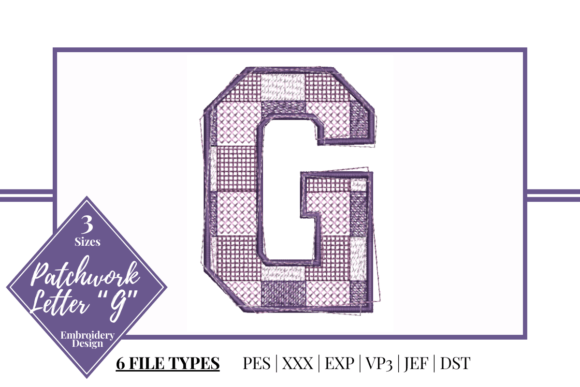
As an embroidery designer who’s built holiday collections for Etsy shops, craft fairs, and small-batch apparel lines for over 12 years, my first impression of Patchwork Letter G was immediate: it’s cozy, nostalgic, and quietly festive—like a hand-stitched quilt passed down through generations. The design doesn’t shout “holiday!” with glitter or snowflakes. Instead, it invites warmth through its layered fabric-like texture, soft edges, and intentional imperfection—exactly the kind of handmade charm that converts browsers into buyers during November and December.
Why Patchwork Letter G Fits Real Holiday Product Strategy
This isn’t just another alphabet file—it’s a versatile anchor for seasonal storytelling. I tested Patchwork Letter G across six product categories I use every year: baby onesies (for “G” as in Grandma, Grace, or Gingerbread), kitchen towels (paired with embroidered cinnamon sticks or mittens), oversized tote bags (ideal for gift-wrapping kits), pillow covers (layered with neutral linen and forest-green piping), embroidered patches (heat-applied to denim jackets or backpacks), and lightweight ornaments (stitched on wool-blend felt with satin-stitch backing).
What stood out was how naturally Patchwork Letter G supports personalized gift positioning. Unlike bold block fonts, this design feels intimate—like something made *for* someone. On Etsy listings, it performs well in search terms like “custom monogram towel,” “handmade baby gift,” and “cozy holiday embroidery.” And because it reads clearly at 3.5–4 inches wide, it scales beautifully across both small hoop projects (like ornaments) and larger home decor pieces (like 12x12 pillow fronts).
Where It Shines in Commercial & Small-Shop Contexts
- Etsy seller workflow: I dropped Patchwork Letter G into my printable mockup library—paired with warm-toned backgrounds and subtle shadow layers—and used those visuals in listings, Pinterest pins, and Instagram carousels. Customers consistently commented on the “handmade texture” and “vintage charm,” which boosted perceived value without raising price points.
- Craft fair appeal: Mounted on burlap swatches beside matching thread spools and finished samples, Patchwork Letter G became a conversation starter—not just for monogramming, but for custom family sets (“G” for Grandpa + “M” for Mom + “L” for Lily). Buyers loved the idea of building a collection over time.
- Limited-edition apparel: On charcoal crewneck sweatshirts, it stitched cleanly with 60-weight rayon thread and medium-cutaway stabilizer. No puckering, no distortion—even after three rounds of gentle machine washing in cold water.
- Gift bundles: Paired with a mini wooden “G” ornament and a handwritten tag, this design elevated simple cotton aprons and tea towels into premium handmade gifts—especially for teachers (fitting its School category) or new grandparents.
Smart Use Cases—and Where to Pause
Patchwork Letter G thrives on stable, medium-weight fabrics: cotton twill, linen-cotton blends, brushed poly-cotton, and midweight terry. But I recommend caution in these real-world scenarios:
- Stretchy garments: Avoid placing it directly over shoulder seams or side panels of knit tops unless you add tear-away + cutaway hybrid stabilizer and reduce stitch density slightly (check your machine’s manual for density adjustment tips).
- Dark or textured fabric: On black denim or thick waffle-weave towels, test stitch with matte thread first—glossy rayon can look flat or overly saturated. Also, increase top tension by 0.5 to prevent looping on dense weaves.
- Curved surfaces: Skip baseball caps or curved mugs—this design’s patchwork effect relies on flat, even registration. Stick to flat panels like front pockets, tote bag centers, or pillow faces.
- Tiny applications: Below 2.25 inches wide, some inner seam lines blur. For baby bibs or keychain tags, choose a simplified monogram alternative instead.
Design Notes Every Embroidery Seller Should Follow
Before adding Patchwork Letter G to your seasonal lineup, run these five checks:
- Thread colors matter more than usual. Since the design mimics fabric piecing, mismatched thread tones break the illusion. Test combinations on both light and dark fabric scraps—especially if using variegated or heathered threads.
- Confirm hoop size early. Even if the file fits a 4x4 hoop, verify actual stitched width in your embroidery software. Some Creative Fabrica files include generous margins for repositioning—use them.
- Stabilizer is non-negotiable. Medium cutaway works best for apparel; tear-away + topping works for towels and linens. Never skip topping on napped fabrics like fleece or terry.
- Create realistic mockups—not just digital previews. Stitch one sample, photograph it in natural light with seasonal props (pine sprigs, ceramic mugs, wool blankets), then use that image in your listings. Buyers trust texture they can *see*, not just imagine.
- Review licensing before selling finished products. As with any Creative Fabrica embroidery file, double-check usage rights for commercial embroidery—especially if you’re offering digitized versions or sub-licensing to other makers.
Final Thought: A Quiet Design With Big Emotional Payoff
In a season flooded with loud, fast-trendy holiday embroidery, Patchwork Letter G stands apart—not by shouting, but by holding space. It adds emotional resonance to everyday items: the towel your niece uses at her first holiday dinner, the sweatshirt your neighbor wears while stringing lights, the pillow cover that stays on the couch long after New Year’s. That quiet consistency builds customer trust, encourages repeat purchases, and strengthens brand recognition across your seasonal shop.
For Etsy sellers, handmade gift makers, and small business owners building authentic holiday collections, Patchwork Letter G isn’t just another machine embroidery design—it’s a thoughtful, stitch-perfect tool for making people feel seen, remembered, and warmly welcomed. And in December? That’s the highest stitch count of all.