Old English Font: A Timeless Choice for Personalized Gifts
As an embroidery designer who’s shipped over 2,000 custom gift orders—from baby blankets stitched in hospital waiting rooms to wedding keepsakes delivered the morning of vows—I approached Old English Font with both curiosity and caution. This isn’t just another machine embroidery design. It’s a stylistic decision that shapes how your customer feels before they even hold the finished product.
First Impressions: Elegant, Classic, and Quietly Meaningful
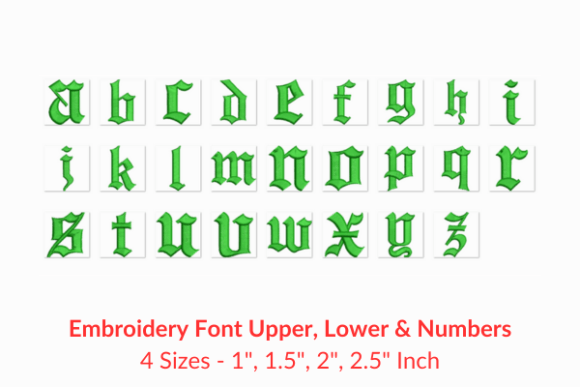
Opening the Old English Font embroidery file, I was struck by its confident rhythm—balanced serifs, graceful flourishes, and consistent stroke weight. It doesn’t shout. It invites. The mood is elegant and classic, leaning into tradition without feeling stiff or outdated. Think heirloom tea towels, not medieval reenactment banners. There’s warmth in the curves, dignity in the capitals, and a handmade sincerity that digital fonts often lack.
This isn’t a playful or modern script—it’s romantic, refined, and quietly sentimental. That makes it ideal for customers seeking emotional resonance over trendiness: new parents naming their first child, couples commemorating vows, grandparents stitching a family tree onto a quilt square, or small shop owners curating a “slow luxury” collection for Etsy or craft fairs.
Where Old English Font Shines (and Why Customers Love It)
Baby embroidery benefits deeply from this font’s gentle gravitas. On a soft cotton blanket or organic muslin onesie, “Eleanor Rose • 2024” stitched in Old English Font reads like a lullaby—timeless, tender, and full of promise. It avoids the cutesy overload common in nursery decor while still feeling personal and loving.
For wedding gifts, it transforms simple items into heirlooms: a linen pillow cover monogrammed with intertwined initials, a hand-embroidered kitchen towel bearing the couple’s names and date, or a framed sampler stitched on Belgian linen. Buyers don’t just see text—they see legacy.
Personalized towels, pillow covers, and aprons gain instant sophistication. A chef’s apron embroidered with “The Martinez Kitchen • Est. 1998” in Old English Font conveys pride and permanence. Likewise, a canvas tote bag stamped with a family name becomes more than practical—it becomes identity made tactile.
Small shop owners and Etsy sellers will appreciate how well Old English Font photographs. Its contrast and structure render beautifully in natural light, helping listings stand out in crowded feeds. And because it reads clearly at mid-size (1.5–3 inches tall), it supports strong printable mockups—a must for confident custom order previews.
Where to Use Old English Font Thoughtfully
This font earns its elegance—but elegance requires care. Here’s where attention matters:
- Small lettering: Below 0.75 inches tall, fine serifs and inner curves may lose definition. Always test stitch a full name at your intended size on scrap fabric.
- Textured fabric: Heavy terry cloth, thick waffle weave, or nubby linen can swallow delicate details. Increase stabilizer support and consider slightly larger sizing.
- Stretchy baby clothes: Knits move. Use cutaway stabilizer + basting stitches, and avoid placing dense flourishes over shoulder seams or necklines.
- Curved surfaces: Mugs, curved tote handles, or rounded pillow edges distort letter spacing. Adjust placement digitally before hooping—or choose flatter zones like center fronts.
- Dark fabric: High-contrast thread colors (ivory, cream, antique gold) lift the design beautifully. Avoid matching thread to fabric—detail disappears.
- Frequent washing: For blanket embroidery or kitchen linens, confirm stitch density supports durability. Overly sparse fills won’t hold up; overly dense ones may stiffen fabric.
Why It Elevates Your Handmade Product—and Your Reputation
Customers don’t buy letters. They buy meaning—and Old English Font delivers that meaning with quiet authority. When someone chooses this style, they’re signaling intention: “This matters. This lasts.” That perception lifts perceived value, builds trust, and encourages repeat orders.
For small business owners and digital embroidery file sellers, that emotional connection translates directly to engagement. Listings using Old English Font in lifestyle photos generate longer dwell time, more saved items, and higher conversion—especially in categories like School spirit (think vintage-style class yearbooks or teacher appreciation towels) and Embroidery-focused shops.
It also strengthens your brand as a curator—not just a maker. Using a cohesive, classic font across baby, wedding, and home goods tells customers you understand context, quality, and care.
Practical Embroidery Notes Before You Stitch
Before adding Old English Font to live orders, do these five things:
- Test on scrap fabric—same type, same color, same stabilizer you’ll use for the real piece.
- Check thread color contrast against both light and dark fabric mockups. What reads beautifully on white may vanish on navy.
- Confirm hoop size compatibility. Some versions include multi-hooping options—verify yours fits your machine’s standard hoop.
- Review stitch density. If the design feels too light for towels or too heavy for silk-blend pillow covers, adjust underlay or fill settings accordingly.
- Use proper stabilizer. Medium-weight cutaway works best for most applications; tear-away may shift on dense fills.
And one final note: since this is positioned for commercial embroidery, always verify licensing terms before selling finished products. Reputable designers clearly state whether the digital embroidery file includes small business rights—if it’s unclear, reach out before listing your next personalized gift.
A Font That Feels Like a Promise
In a world of fast trends and fleeting aesthetics, Old English Font is a grounding choice. It doesn’t chase attention—it earns it. Whether you’re stitching a baby’s first name onto a cloud-soft blanket or etching a family motto onto a farmhouse apron, this machine embroidery design carries weight, warmth, and quiet confidence.
That’s why it belongs in your core collection—not as a seasonal experiment, but as a trusted voice for the meaningful, the handmade, and the enduring.