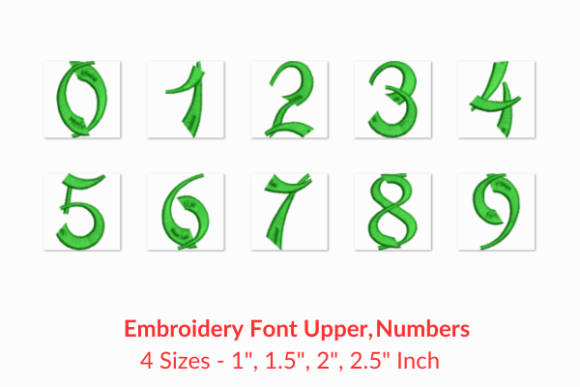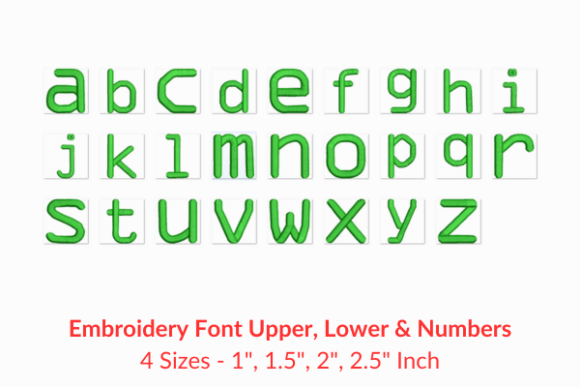
Microscan Fonts Embroidery Design
A Practical Review for Small Business Merch & Branded Patches
As an embroidery designer who’s digitized and stitched over 3,000 commercial projects—from café aprons to boutique tote bags—I approach every new font with both excitement and scrutiny. When I first saw Microscan Fonts Embroidery Design, my instinct was to test it not as a decorative element, but as a working brand tool. Its description—“a high-quality embroidery font that will help you personalize your designs… names, dates, or quotes on any fabric”—immediately signals utility over ornamentation. That’s exactly what small business owners need: clarity, consistency, and confidence in execution.
First Impression: Clean, Modern, and Professionally Versatile
Microscan Fonts Embroidery Design reads as modern and precise—not overly ornate, not starkly minimalist, but thoughtfully balanced. It carries the quiet authority of a well-designed typeface adapted for thread: generous x-height, open counters, and consistent stroke weight. For a school-related embroidery file (as noted in its category), it avoids childish flourishes while still feeling approachable—ideal for local bakeries naming custom cookie tins, florists monogramming linen wraps, or pet brands stitching collar tags. It doesn’t shout; it communicates. And in branded merchandise, that restraint builds trust faster than bold novelty ever could.
Where Microscan Fonts Embroidery Design Shines in Real Business Use
This font excels where legibility, scalability, and brand cohesion matter most:
- Embroidered patches: Works beautifully at 1.5"–2.5" heights—clean enough for iron-on chest patches on staff uniforms, yet distinctive enough to serve as standalone logo accents for craft studios or creative agencies.
- Apron embroidery: Stitches crisply across cotton twill and canvas, especially when used for shop names or taglines above pockets. The spacing holds up even with moderate fabric movement during wear.
- Cap embroidery: Performs reliably on curved fronts—no distortion in letterforms if digitized with proper underlay and stitch direction. Ideal for small-batch coffee roasters or indie bookshops launching signature caps.
- Tote bag design: Maintains readability at 3"–4" heights on natural canvas or recycled cotton—critical when your tote doubles as walking advertising for a local florist or handmade soap brand.
- Product packaging accents: When stitched onto fabric labels, drawstring pouches, or gift wrap bands, Microscan Fonts Embroidery Design elevates perceived value without competing with hand-drawn logos or illustrations.
- Commercial embroidery projects: Integrates seamlessly into multi-element designs—pairing cleanly with icons, borders, or simple line art common in Etsy seller branding or boutique merchandise collections.
Use With Intention: Where Caution Applies
Even strong fonts have boundaries—and respecting them protects your reputation and your client’s investment. Microscan Fonts Embroidery Design should be used carefully in these scenarios:
- Under 1" tall embroidered patches: Letter spacing tightens, and fine details may collapse. Always run a physical test stitch before committing to 0.75" cap fronts or tiny sleeve marks.
- High-stitch-density applications: While clean, this is still a machine embroidery design—not vector art. Overly dense fills or excessive satin-stitched outlines can cause puckering on lightweight fabrics like chambray or linen blends.
- Textured or napped fabrics: On fleece, terry cloth, or bouclé, consider slightly increasing letter spacing and reducing density to prevent “swallowing” of fine strokes.
- Dark uniforms or heavy-duty work shirts: Contrast matters. Test thread colors thoroughly—especially metallics or pastels—against charcoal, navy, or black. What looks crisp on screen rarely translates directly to thread-on-fabric realism.
- Frequently washed items: Confirm stabilizer choice matches garment care. Tear-away alone won’t suffice for aprons or chef coats—add cutaway or fusible backing for longevity.
How It Strengthens Brand Identity—Beyond Just Letters
Microscan Fonts Embroidery Design does more than spell words—it shapes perception. When stitched consistently across staff aprons, customer totes, and product tags, it delivers visual continuity that says, “We’re intentional, we’re professional, we care about detail.” That consistency builds recognition faster than changing fonts per product line. For handmade product sellers, it strikes the right balance between artisan warmth and polished presentation—neither too corporate nor too casual. Customers subconsciously associate that reliability with quality, which increases willingness to pay premium pricing and boosts repeat engagement.
Practical Designer Notes Before You Stitch
Before deploying Microscan Fonts Embroidery Design in production, follow these field-tested steps:
- Test it in black and white first—eliminates color bias and highlights spacing and proportion issues.
- Check how it renders at your smallest intended patch size—don’t assume scalability.
- Review thread color contrast on actual fabric swatches, not just digital mockups.
- Inspect kerning and tracking—tight letters may merge on stretchy knits or unstable weaves.
- Confirm hoop size compatibility with your primary embroidery machines—some fonts require larger hoops for optimal tension control.
- Always stitch a sample on real fabric with your chosen stabilizer and thread—digital previews lie.
- Create a printable mockup for client approval—include scale, placement, and thread color swatches.
- Compare Microscan Fonts Embroidery Design beside your existing design assets—does it harmonize with your logo, icon set, and brand voice?
- Verify commercial licensing terms—this is essential for small business merch, Etsy branding, and any resale context.
Remember: Microscan Fonts Embroidery Design isn’t just another embroidery file. It’s a brand-building instrument—one that earns credibility every time it’s stitched onto a barista’s apron, a florist’s tote, or a school club’s cap. Used thoughtfully, it transforms personalization into professionalism, and everyday merchandise into memorable brand touchpoints.